Some seasons place a great deal on the human heart. News arrives faster than the nervous system can absorb. Conflict spreads across borders. The weight of decisions made far from our homes reaches into daily life through worry, anger, grief, and uncertainty.
Many people carry this tension quietly. The body holds it in shoulders, breath, sleep, and attention. Even small tasks require more energy when the mind remains alert to danger or loss.
Outside, another process continues with steady patience.
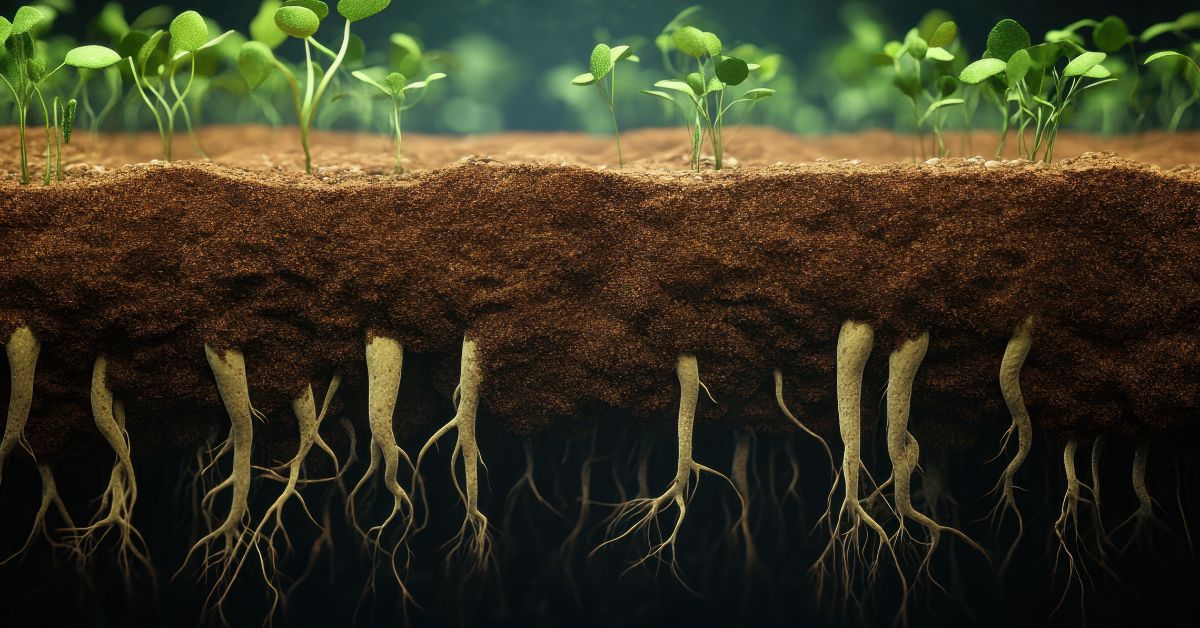
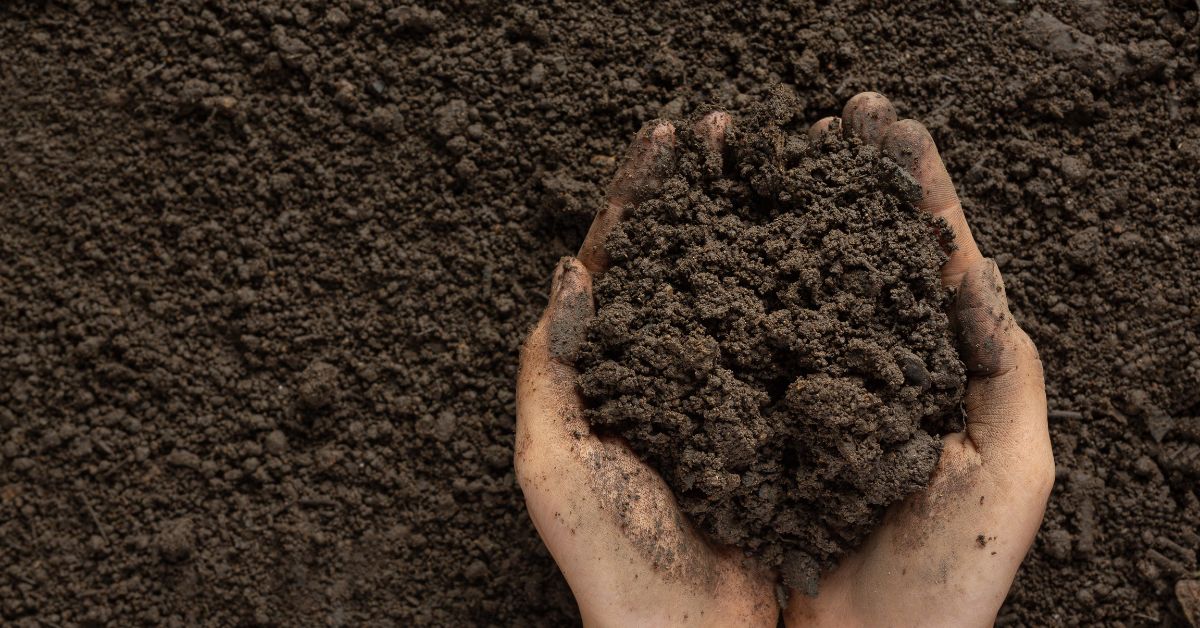
The soil softens beneath layers that held firm for months. Water begins moving again through channels carved long before our lifetimes. Small living communities beneath the surface return to activity, rebuilding the foundation that supports the coming season.
This work happens without spectacle. Bacteria, fungi, insects, and roots rebuild relationships that sustain entire landscapes. Each organism performs a role that strengthens the whole system.
Human communities operate through a similar principle. Resilience grows through relationship. When people share food, conversation, knowledge, and care, the collective body gains stability. These connections provide strength during periods when the wider world feels uncertain.
Indigenous teachings across many cultures recognize this truth clearly. Survival and wellbeing grow from reciprocal relationships between people, land, and community. Care for one another becomes a form of stewardship equal in importance to care for soil, water, and forests.
Science offers a parallel understanding. Research on social connection shows that supportive relationships reduce stress responses in the body and strengthen emotional resilience. Shared presence helps regulate the nervous system, allowing individuals to recover balance after periods of strain.
The living world demonstrates this principle every day. Forests exchange nutrients through underground fungal networks. Flocks move together across long migrations. Herds protect vulnerable members through collective awareness.
Strength appears through cooperation.
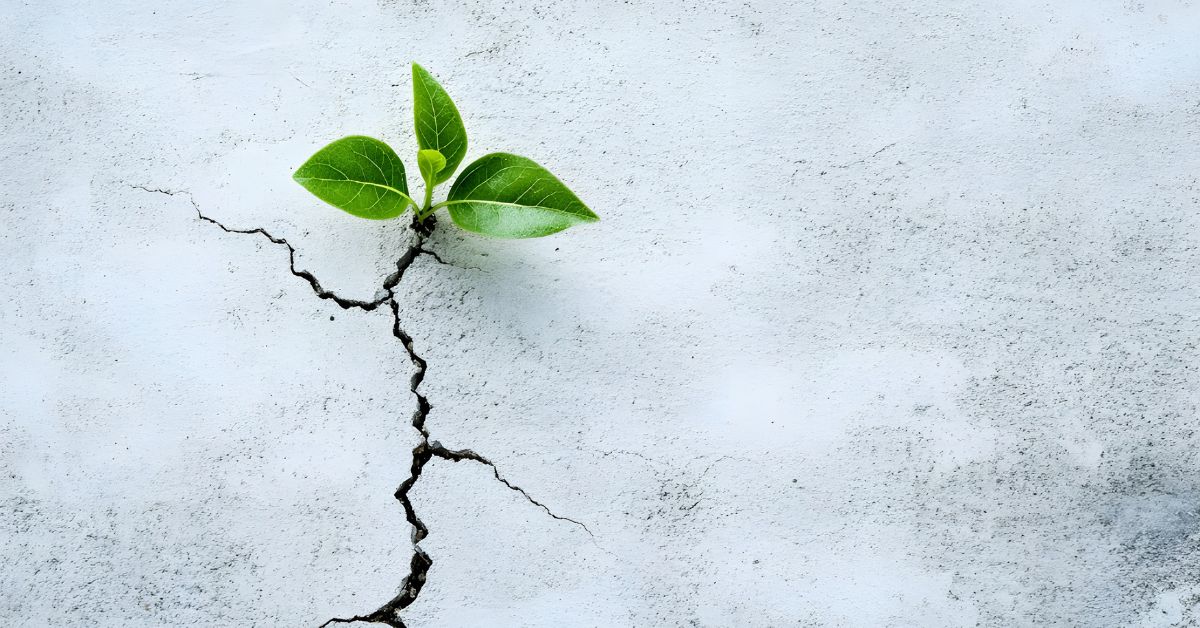
Even in years when storms intensify, fires scar the land, and seasons shift beyond familiar patterns, the Earth continues rebuilding through countless small acts of renewal. The ground holds memory of disruption while also carrying instructions for repair.
Humans carry that same capacity.
Care, patience, and compassion restore balance in ways that rarely appear in headlines. A shared meal, a quiet conversation, a walk beside water, or time spent tending soil each contribute to a larger process of recovery.
These gestures form the fabric of community.
The Nervous System and the Natural World
Exposure to natural environments produces measurable changes in the body. Studies in environmental psychology show that time spent outdoors lowers cortisol levels, reduces blood pressure, and improves cognitive clarity.
Natural settings provide sensory patterns that help regulate attention. Wind through branches, flowing water, birdsong, and shifting light offer forms of stimulation that calm rather than overwhelm the nervous system.
Researchers often describe this effect as attentional restoration. The mind moves away from constant analysis and enters a more spacious mode of awareness. Within this state, the body regains equilibrium.
This biological response helps explain why people throughout history have sought connection with forests, rivers, and open land during times of stress.
The Earth holds a stabilizing influence that modern life often obscures.
Sacred Assembly of Soil & Soul centers its work on restoring this relationship. Education, stewardship, and shared learning strengthen the bond between human communities and the landscapes that sustain them.
A Seasonal Offering from the Apothecary & Learning Kitchen
Simple Root and Grain Bowl
Meals that combine grounding ingredients often support stability during demanding periods.
Suggested elements:
Roasted root vegetables such as carrots, potatoes, or sweet potatoes, served over warm grains like brown rice or quinoa. Add olive oil, a squeeze of lemon, and fresh herbs when available.
Preparation:
Roast vegetables until tender and lightly caramelized. Spoon them over cooked grains and finish with olive oil and lemon. The combination of complex carbohydrates, minerals, and healthy fats provides steady nourishment.
This meal pairs well with quiet time outdoors or shared conversation around the table.
A Moment to Notice
Take a moment today to pause with a few simple reflections.
Where do you find steadiness when the wider world feels uncertain?
Who in your life strengthens your sense of belonging and care?
What places in the natural world help your body settle and breathe more fully?
How might small acts of kindness strengthen the ground beneath your community?
These questions help reconnect attention with what supports life.
Closing Embrace
Periods of upheaval test the resilience of individuals and communities alike. Yet throughout history, people have carried one another through difficult chapters by remaining present, compassionate, and attentive to shared wellbeing.
The living world offers steady reassurance during these times. Soil rebuilds fertility after disturbance. Forests regenerate following fire. Rivers reshape their channels and continue forward.
Human beings carry that same ability to repair and restore.
Wherever you stand today, you remain part of a web of relationships capable of supporting life through challenge and renewal. Care for yourself. Care for one another. The ground beneath us holds more strength than the moment sometimes reveals.
In relationship with the living world,
Sacred Assembly of Soil & Soul (SASS)